
GE Dryer Not Heating Properly? Check for These Common Causes

Have you ever faced the puzzling situation of your GE dryer not heating, leaving you with a pile of damp clothes? This issue is more common than you might think and can be attributed to various factors. In this guide, we'll dive into the reasons behind why your GE dryer might run but not heat, offering practical solutions to get your appliance back to its efficient self.
Common Causes of a GE Dryer Not Heating Up
When your GE dryer isn't heating properly, it's crucial to pinpoint whether the problem lies in user errors, maintenance issues, or mechanical faults. Let's break down these categories for a clearer understanding and effective troubleshooting.
User Error and Maintenance Issues
Incorrect Cycle Settings
One of the simplest reasons for a GE dryer not heating could be the cycle settings. It's easy to overlook, but sometimes the dryer might be set to a cycle that doesn't use heat, like "Air Fluff" or "Delicate."
This issue, while basic, is often overlooked and can lead to confusion and unnecessary repairs. To resolve it, check your dryer's settings and ensure it's set to a cycle that uses heat. Regularly familiarizing yourself with the different settings can prevent this issue from recurring.
Clogged Lint Screen
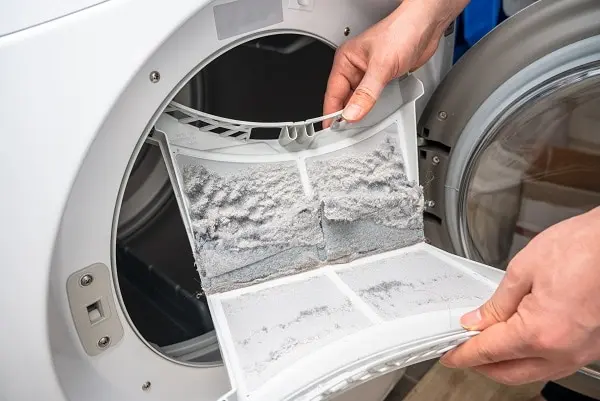
A common maintenance oversight is the lint screen. When it's clogged, it restricts airflow, crucial for the dryer's heating efficiency. A lint-clogged screen not only causes heating issues but can also pose a fire hazard. To maintain optimal performance and safety, it's vital to clean the lint screen after every load. This simple habit can significantly improve your dryer's functionality and longevity.
Clogged Exhaust Vent
Similar to the lint screen, a clogged exhaust vent can severely impact your dryer's ability to heat. This blockage prevents hot air from escaping, causing the dryer to overheat and potentially damaging internal components. Regularly inspect and clean your dryer's exhaust vent. This not only resolves and prevents heating issues but also enhances the safety of your appliance.
Mechanical Problems
Faulty Heating Element
In electric GE dryers, the heating element is a critical component. Over time, this element can wear out or burn out, leading to a lack of heat production. This issue is more technical and may require disassembling part of the dryer to inspect the element. If it's damaged or broken, replacement is necessary. Regular inspections and timely replacements of the heating element can prolong the life of your dryer.
Broken Gas Igniter
For GE gas dryers, the igniter plays a key role in heating. When the igniter fails, the gas won't ignite, meaning no heat. This problem is identifiable by a lack of glowing near the burner at the dryer's base. Replacing a faulty igniter is a more advanced repair and might require professional assistance. Ensuring routine checks of the igniter can help in early detection and replacement, avoiding prolonged downtime of your appliance.
Thermal Fuse Issues
The thermal fuse is a safety device designed to protect the dryer from overheating. When it blows, the dryer will not heat. This issue often arises from restricted airflow, so keeping vents clear can prevent it. Testing and replacing a blown thermal fuse is a straightforward process but crucial for the dryer's operation.
Faulty Thermostats or Sensors
Thermostats and sensors are responsible for monitoring and regulating the temperature inside the dryer. If these components malfunction, they may fail to signal the need for heat. Diagnosing faulty thermostats or sensors can be challenging and might require a multimeter. Regular monitoring and timely replacement of these components are key to maintaining your dryer's performance.
Timer or Control Board Problems
The timer and control board are central to the operation of your dryer. If they malfunction, they can fail to initiate the heating process. These issues are complex and often require professional diagnosis and repair. Preventative maintenance, including keeping the appliance clean and ensuring stable power supply, can mitigate these problems.
Coil Issues on Gas Valve Solenoids
In gas dryers, the gas valve solenoids control the flow of gas to the burner. Over time, the coils in these solenoids can fail, leading to heating issues. Replacing faulty solenoids is a technical task that might require professional intervention. Regular checks for signs of wear and timely replacement can prevent unexpected failures.
Recommendations for Troubleshooting and Repair
Start with basic checks like ensuring the correct power supply, settings, and cleaning the lint screen. If these don't resolve the issue, consider consulting a professional, especially for electrical or gas-related problems. Remember, safety first!
Preventative Tips and Maintenance
To prevent common issues like your GE dryer doesn't dry, maintain a regular cleaning schedule for the lint screen and exhaust vent. Familiarize yourself with the various settings and ensure a proper power supply. Preventative care can save you time, money, and ensure the longevity of your appliance.
For those challenges that require a professional touch, Just-in Time Appliance offers expert dryer repair services. Whether it's a mechanical fault or a complex issue, our team is equipped to handle your GE dryer not heating problems efficiently and effectively.